

Platelet-rich Plasma (PRP) for Hair Loss
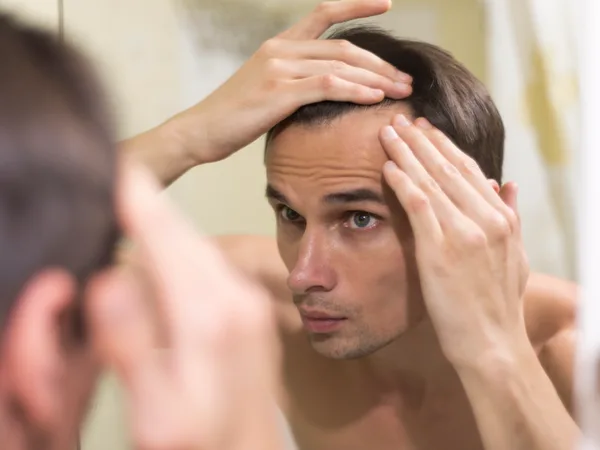
What Is PRP for Hair Loss?
Platelet rich plasma (PRP) is an innovative treatment that harnesses the body’s own regenerative properties to stimulate hair growth. PRP utilizes platelets which are the cells that are important in wound healing and are the “first responders” to sites of tissue injury. Platelets contain numerous growth factors that have been shown to thicken existing hairs, prolong the growth phase, activate stem cells and restore the normal hair cycle.
PRP is not a uniform product since each person’s blood composition and medical history are different. In addition, there is wide variability in the collection process and injection technique. This variability can affect treatment response. Therefore, it is extremely important that you see a board-certified dermatologist specializing in hair loss and with experience in PRP.
Dr. Shyam began his research in PRP during his residency at Johns Hopkins and helped optimize the technique. He has performed over 5000 treatments and has achieved a high degree of success (~80%) with his patients by establishing the most effective, evidence-based protocols.
Who Can Benefit from PRP Hair Restoration?
PRP therapy may be recommended for adults experiencing:
Early-stage hair thinning
Male pattern hair loss
Female pattern hair loss
Increased hair shedding (such as from GLP-1 medications, Post-partum, hormonal changes)
Stress shedding (emotional or physical stressors)
Select autoimmune hair loss conditions
PRP is most effective when hair thinning is mild-moderate as it depends on existing hair follicles to achieve optimal results. If significant baldness has already occurred, the effectiveness of the treatment diminishes.
How PRP Hair Restoration Works
PRP treatment is performed in our Wayne office and takes less than an hour.
Step 1: Blood Collection
A small amount of blood (22ml) is drawn from your arm into a specialized collection tube. It is important to note that the technique differs slightly from regular blood draws in that all the devices and techniques utilized are aimed at maintaining optimal platelet viability.
Step 2: Platelet Separation
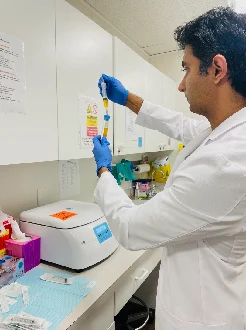
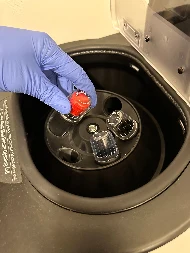
Your blood is processed in a centrifuge to separate the platelets from white blood cells and red blood cells. The centrifuge utilized is an FDA-cleared horizontal rotor which is superior to fixed angle rotors that are currently utilized in many clinics.
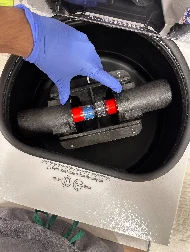
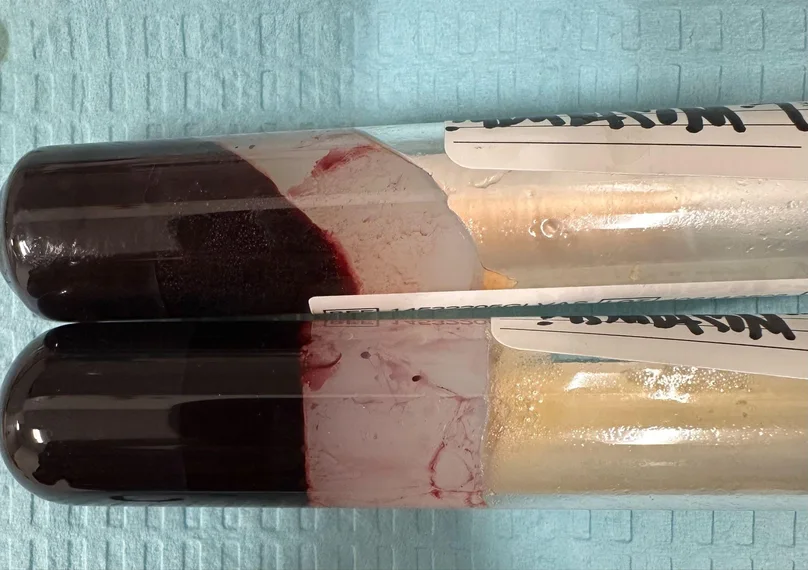
Horizontal rotors (left) produce superior platelet segregation and higher platelet capture compared with fixed angle rotors (right). This is due to the ability to spin at faster speeds while maintaining compact, horizontal gel separation. Further, fixed angle rotors result in a larger, slanting gel surface that results in more trapped platelets and decreased capture efficiency compared to a tight, horizontal gel separation (below).
Step 3: Platelet Concentration:
This is another crucial step as just separating platelets is not sufficient. The platelets are concentrated about 5-6 times from baseline by Dr. Shyam, ensuring the PRP is of the highest quality.
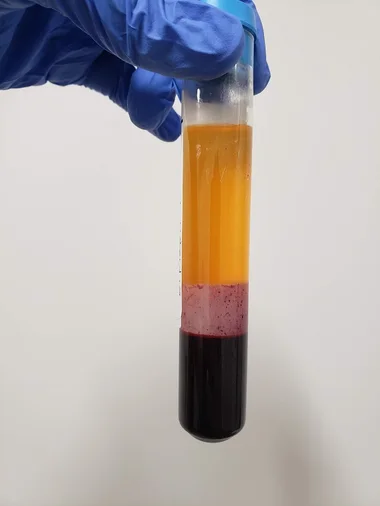
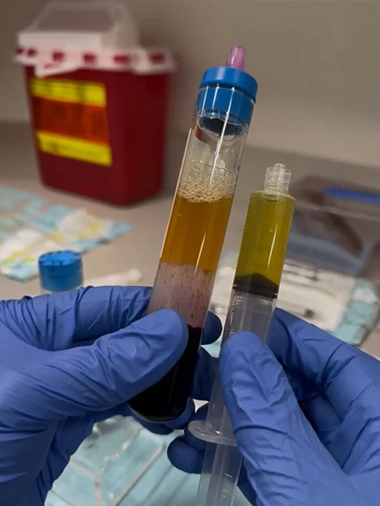
The platelets that have been separated are further concentrated to prepare the final PRP
Step 3: PRP Injections
The injections are always performed by Dr. Shyam himself to ensure appropriate injection depth so that the growth factors are actually targeting where the stem cells are in the hair follicles to achieve optimal success.
Ready to Find Out if PRP Is Right for You?
Every patient's hair loss is different. Dr. Shyam will evaluate your scalp, discuss your concerns, and determine whether PRP therapy is the best treatment option for your hair restoration.
Schedule Your PRP Consultation Today
What to Expect After Treatment
PRP requires patience because hair grows gradually, usually around 6 months. However, there is a predictable sequence of events as the hair cycle resets and hair growth occurs.
- Reduced hair shedding (usually 6-8 weeks)
- Improved hair quality
- Increased hair thickness
- Decreased scalp visibility
Treatment protocol requires an initial loading dose phase that is critical. This involves 3 treatments spaced out 3-6 weeks apart. This is usually followed by a maintenance regimen of 1-2 treatments per year initially depending on the individual. Thankfully, for cases involving stress shedding (like GLP-1 related hair thinning, Telogen Effluvium, COVID etc), the initial loading dose phase may by itself be sufficient depending on how quickly the normal biological hair cycle is reset.
Benefits of PRP for Hair Loss
PRP offers several advantages for appropriate candidates
Non-surgical procedure
Uses your body's natural growth factors
No down time or recovery process
Very effective in shutting down hair shedding
Convenient in-office treatment
Can be combined with other hair restoration therapies
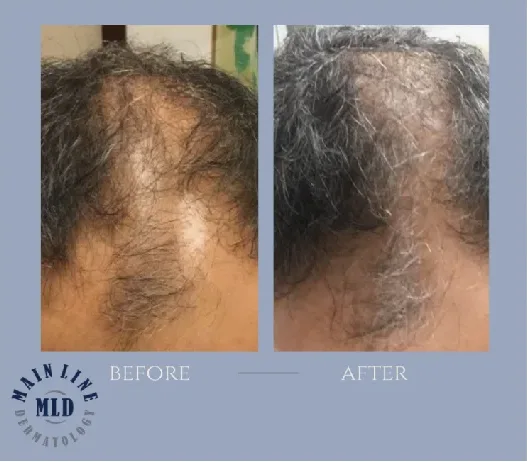
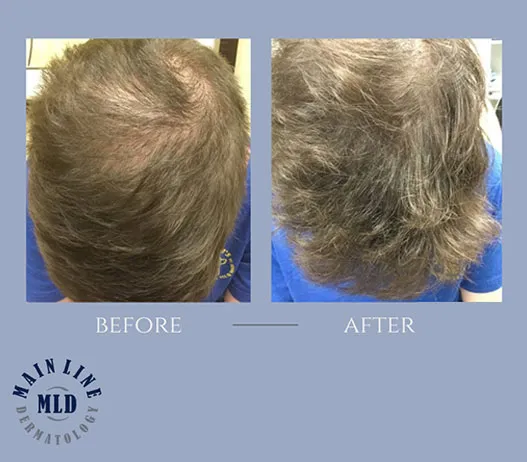
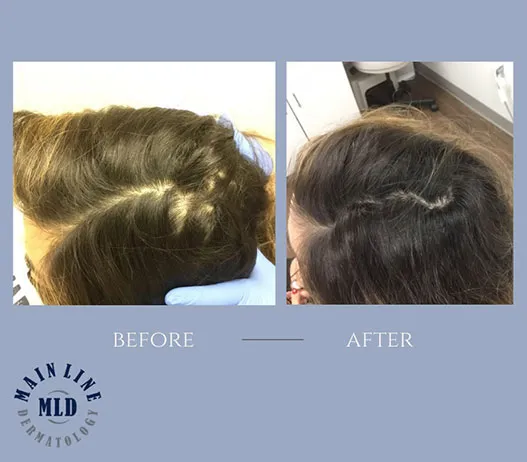
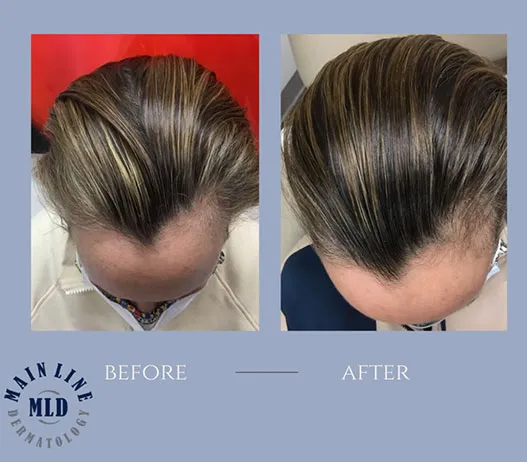
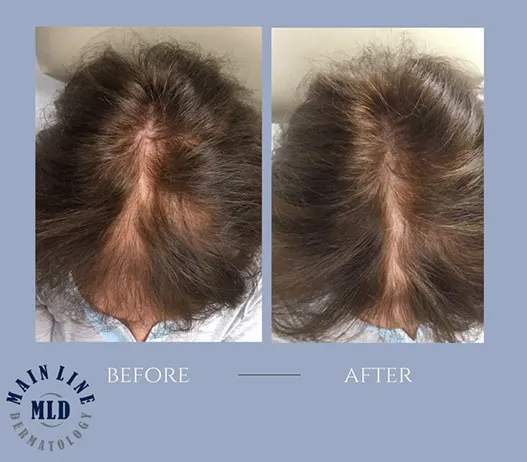
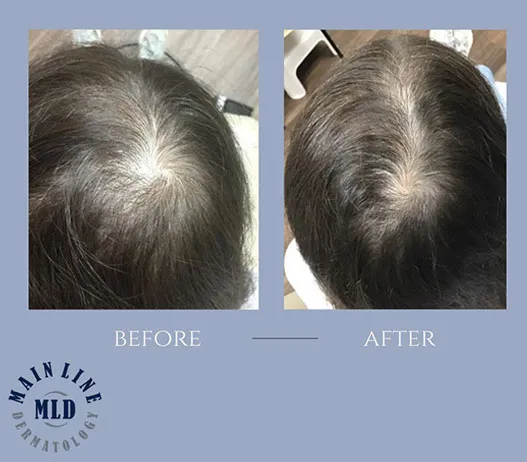
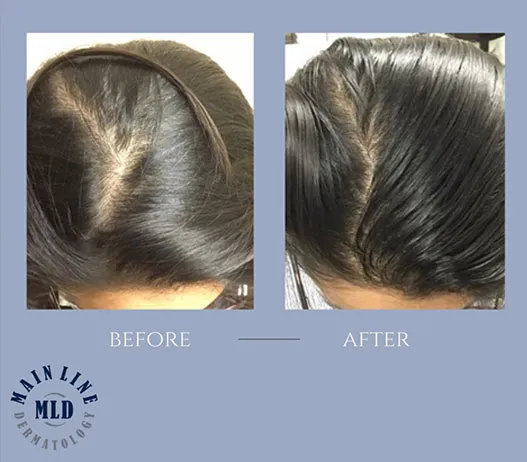
Platelet Rich Plasma Before and After
View our before-and-after gallery to see examples of real PRP treatment transformations
Why Choose Main Line Dermatology for PRP for Hair Loss?
While platelet-rich plasma (PRP) is one of the most effective treatment options for hair restoration, there is wide variability in the collection process and injection techniques. This variability dramatically affects treatment response.
Hear From Our Patients
Ready to Learn about PRP?
Hair loss is easier to treat when addressed early. If you've noticed thinning hair or increased shedding, Dr. Shyam can evaluate your condition and recommend the best evidence-based treatment options to help you with your hair loss journey.
Schedule an appointment at our Wayne or West Chester office today to discuss PRP hair restoration.
Frequently Asked Questions
Since PRP is collected from a patient’s own blood, the treatment is extremely safe. However, technique truly matters with this procedure. Dr. Shyam has performed over 5000 treatments and has never had a patient with any adverse reactions to the procedure. Unlike hair loss treatments that require medication, PRP does not produce unwanted side effects. There is no downtime or recovery process.
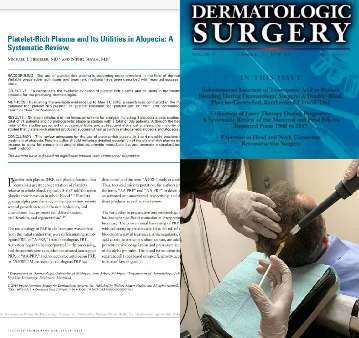
This is the most important question to ask. Platelet Rich Plasma is not a uniform product since each person’s blood composition and medical history are different. In addition, there is wide variability in the collection process and injection technique. This variability can dramatically affect treatment response. Dr. Shyam is a pioneer in the field and began his research into PRP during his residency at Johns Hopkins where he helped establish the protocol that is currently used around the country. He has published numerous peer-reviewed articles on platelet-rich plasma and its uses in regenerative medicine.
In Dr. Shyam’s experience and based on the evidence in the literature, PRP has a success rate of ~80% (Success is defined by decreasing hair loss, increasing thickness of existing hairs and prolonging the hair growth phase). Most importantly, the best results are seen when PRP is combined with other treatment options such as minoxidil, finasteride or low level light therapy.
This depends on the type of hair loss. For genetic hair thinning, Dr. Shyam’s research showed that an initial loading dose phase is critical. This involves 3 treatments spaced out 3-6 weeks apart. This is usually followed by a maintenance regimen of 1-2 treatments per year initially. Thankfully, for cases involving stress shedding (like GLP-1 related hair thinning, Telogen Effluvium, COVID etc), the initial loading dose phase may be sufficient depending on how quickly the normal biological hair cycle is reset.
Although patients may experience slight discomfort during the injection process, ice and vibratory stimuli are applied to help make the process as comfortable as possible. Importantly, anesthetics are avoided during the procedure as these lower the effectiveness of the treatment. Dr. Shyam has never had a patient who could not tolerate the procedure.
One of the many benefits of PRP treatment is that there is no downtime or recovery process. Patients may return to normal activity right away following the treatment.
PRP is a process that involves a blood draw (similar to getting blood work). The collection tube is placed in a centrifuge to separate the platelets which are then concentrated to about 5-6 times your baseline. This platelet-rich plasma (PRP) is then injected into the treatment areas of the scalp at the precise level of the hair follicles. Dr. Shyam has studied the various devices on the market, various collection tubes and perfected the injection techniques to establish the most effective, evidence-based protocol. While the actual injections only take 4-5 minutes, the entire process may take up to 45-50 minutes.
When you meet with Dr. Shyam for your hair loss consultation, he will work with you to determine if PRP may be a good option as part of your personalized hair loss treatment regimen.