
Hair Transplant (FUE & FUT) in Wayne & West Chester, PA
Restore Natural-Looking Hair with Personalized Hair Transplant Surgery

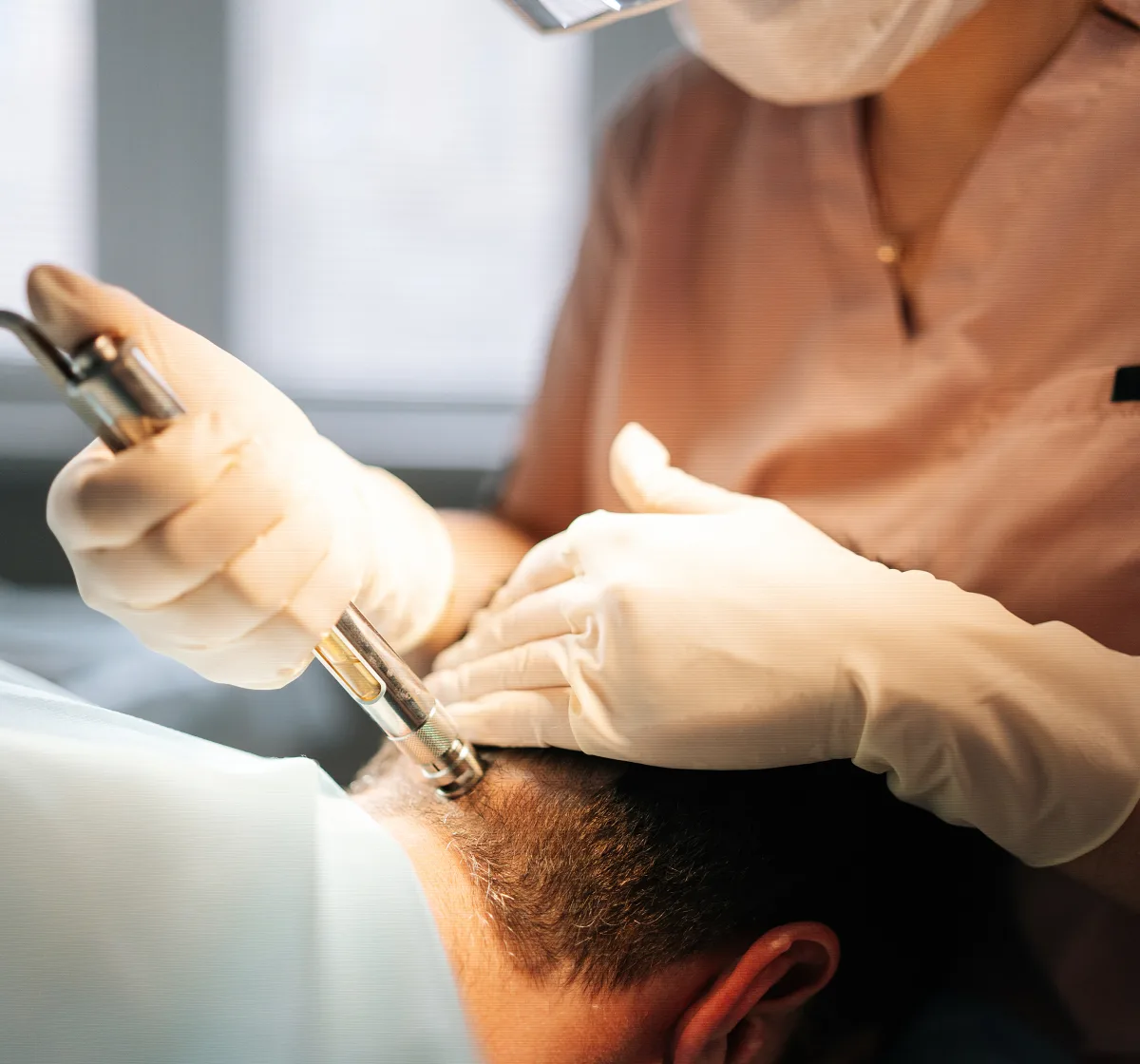
A Thoughtful Approach to Hair Restoration
Hair loss is not the same for everyone. The cause, pattern, progression, donor hair quality, and amount of existing hair can all affect which treatment approach may be appropriate.
A hair transplant is a surgical procedure that restores hair to areas where hair has thinned or been lost by moving hair follicles from a donor area to areas that need additional coverage. Hair follicles at the back of the scalp tend to remain thicker and grow longer than hairs in areas that are more prone to thinning.
At Main Line Dermatology, hair transplantation is approached as both a surgical and artistic procedure. The goal is not simply to move as many grafts as possible. Careful planning, graft quality, hairline design, and placement all play an important role in creating natural-looking results.
Before recommending surgery, Dr. Shyam evaluates your hair loss and considers whether a transplant is appropriate for your specific situation. This individualized approach is important because different types of hair loss may require very different treatments.
Choosing Between FUE and FUT Hair Transplantation
Two established techniques can be used to harvest hair follicles for transplantation: Follicular Unit Extraction (FUE) and Follicular Unit Transplantation (FUT).
With FUE, individual follicular units are harvested from the donor area at the back of the scalp. Each natural follicular unit generally contains between one and four hairs. Because the follicles are harvested individually, FUE does not create the linear donor scar associated with traditional strip harvesting.
The existing Main Line Hair Restoration page identifies FUE as Dr. Shyam’s specialty and emphasizes careful extraction and graft quality rather than simply maximizing the number of grafts harvested.
FUT, or Follicular Unit Transplantation, is another hair transplantation technique that can be considered when appropriate. The client interview specifically confirms that Main Line Dermatology plans to offer graft-based hair restoration using both FUE and FUT.
The appropriate technique depends on factors such as your hair loss pattern, donor hair, treatment goals, and overall surgical plan. During your consultation, Dr. Shyam can explain which approach may be best suited to you.
Natural Results Begin with Careful Hairline Design
One of the most important parts of hair transplantation is deciding where and how the new hair should be placed.
Dr. Shyam personally participates in hairline design, donor harvest and closure, recipient-site creation, graft dissection, and graft placement.
The hairline must work with your existing facial features and remaining hair. Single-hair follicular units may be placed along the front of the hairline to create a softer transition, while larger follicular units can be positioned behind them to provide additional density.
This attention to angulation, direction, density, and graft placement helps create a result designed to look consistent with your existing hair rather than appearing artificial.
What to Expect from Hair Transplant Surgery
Personalized Consultation
Your journey begins with an evaluation of your hair loss and donor hair. Dr. Shyam will discuss your goals and determine whether hair transplantation is appropriate for you.
Hairline & Treatment Planning
If surgery is recommended, careful planning determines the areas requiring coverage, the number of grafts needed, and the most appropriate harvesting technique.
Graft Harvesting
Depending on your treatment plan, follicles may be harvested using FUE or FUT.
Graft Preparation & Placement
Each graft is carefully prepared and placed in the recipient area according to the planned hairline, direction, and density.
Post-Surgical Growth
Transplanted hair does not appear immediately at its final density. According to the existing Main Line Hair Restoration information, transplanted hair typically begins growing approximately 4 to 6 months after the procedure, while the full effect may not be apparent for 12 to 18 months.
What Is the Hair Transplant Recovery Like?
Hair transplant surgery requires a period of healing while the transplanted follicles become established.
The exact recovery experience can vary depending on the surgical technique, number of grafts, and individual healing process. Your care team will provide personalized instructions for caring for the donor and recipient areas following surgery.
Main Line Hair Restoration currently performs procedures on weekends to provide additional privacy for patients. The existing page states that procedures generally take approximately 4 to 6 hours, depending on the amount of hair being transferred.
When Will You See Hair Transplant Results?
Hair restoration is a gradual process. Newly transplanted hair typically does not produce immediate visible results.
The current Main Line Hair Restoration information states that transplanted hair generally begins growing within approximately 4 to 6 months, with the full effect of the procedure generally realized within 12 to 18 months.
Understanding this timeline before surgery can help you establish realistic expectations and appreciate the gradual nature of hair restoration.
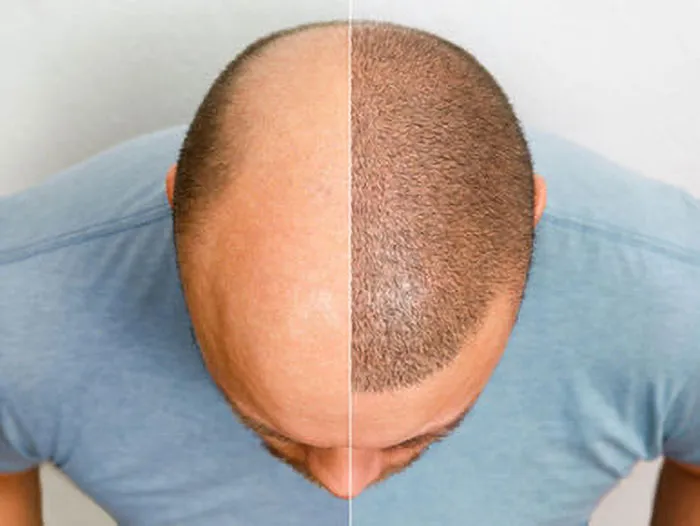
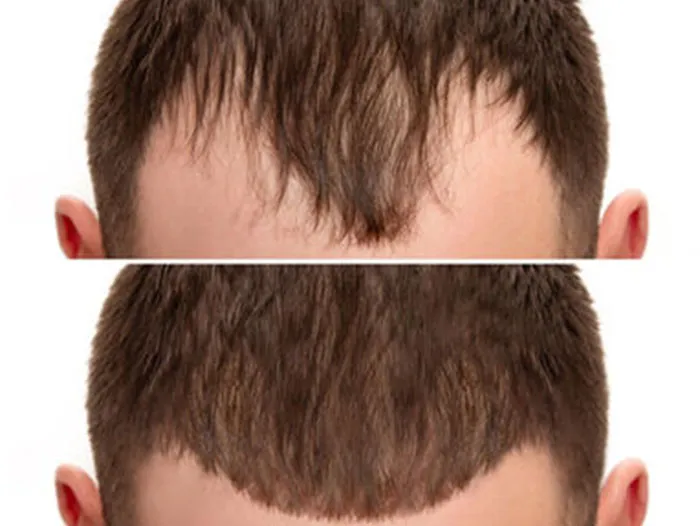
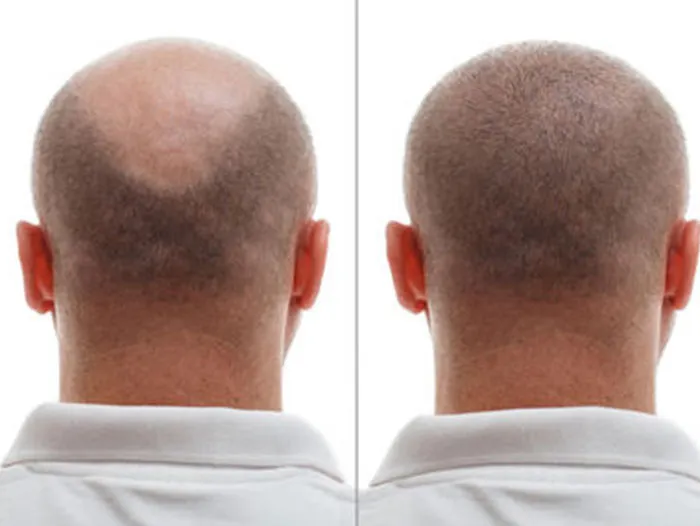
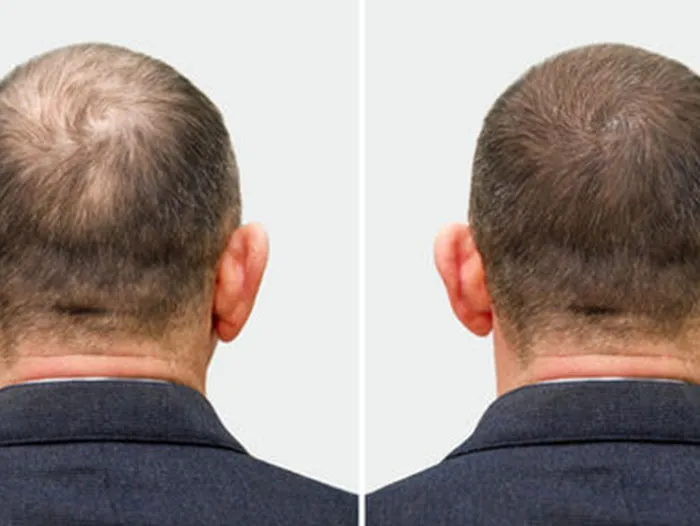
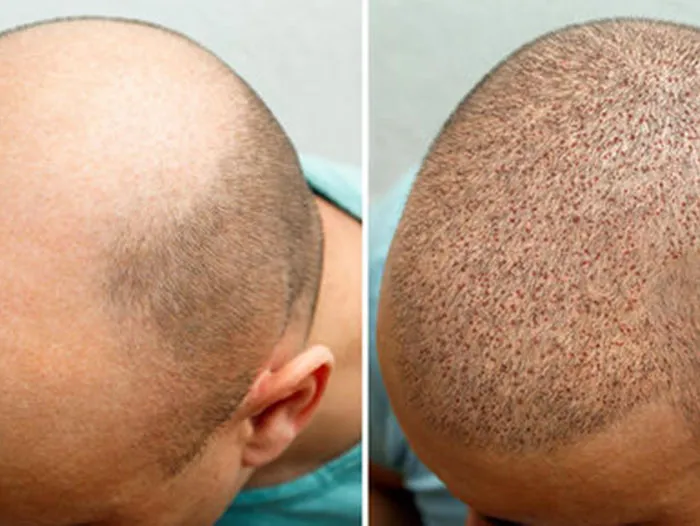
See Hair Transplant Before & After Results
Before and after photographs can help you understand how hair transplantation may improve coverage and create a more natural-looking hairline.
Meet Dr. Nikhil Shyam, MD
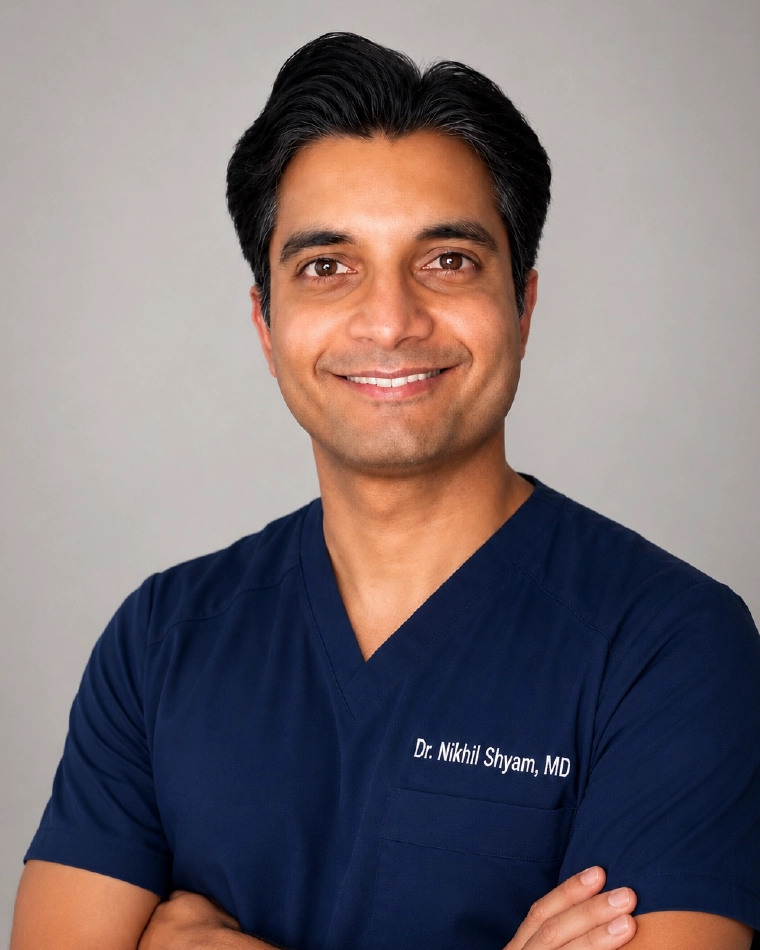
All hair restoration treatment at Main Line Dermatology, from PRP to FUE and FUT hair transplantation, is performed by Dr. Nikhil Shyam, a board-certified dermatologist.
Dr. Shyam earned his undergraduate degree from Cornell University, where he majored in nutritional sciences, and graduated as an Alpha Omega Alpha honor student from the University of Michigan Medical School. He completed his internship at Memorial Sloan Kettering Cancer Center and his dermatology residency at Johns Hopkins University, where he first became interested in platelet-rich plasma and its role in hair loss, skin rejuvenation, and wound healing.
Following his residency, Dr. Shyam completed additional training in medical and surgical hair restoration with Dr. Marc Avram, a nationally recognized hair restoration expert. That surgical training now supports the FUE and FUT procedures Dr. Shyam offers, in addition to the PRP protocols he has researched and published on for years.
Dr. Shyam is a board-certified member of the American Academy of Dermatology, the American Society of Dermatologic Surgery, and the American Society for Laser Medicine and Surgery. He has published research articles and book chapters on platelet-rich plasma and surgical hair restoration technique, and he regularly presents his work at national dermatology conferences.
Patients choose Main Line Dermatology because every treatment plan, whether that’s an evaluation, PRP, or a surgical graft, starts with an honest conversation about what’s likely to help rather than a one-size-fits-all recommendation. Two convenient locations in Wayne and West Chester, PA, make ongoing care simple.
Why Choose Main Line Dermatology for Hair Transplant Surgery?
Hair transplantation requires both medical expertise and attention to detail. Main Line Dermatology’s approach centers on physician-led evaluation and individualized treatment.
Board-Certified Dermatologist & Hair Restoration Surgeon
Dr. Nikhil Shyam is a board-certified dermatologist and hair restoration surgeon with specialized training and experience in medical and surgical hair restoration.
Personally Involved in Your Procedure
Dr. Shyam is personally involved in the major stages of the transplant, including hairline design, donor harvesting, recipient-site creation, graft dissection, and graft placement.
Quality Over Quantity
The existing practice philosophy emphasizes performing a limited number of hair transplant surgeries rather than treating large volumes of patients each week. Dr. Shyam typically performs only one hair transplant surgery per day, allowing the team to remain focused throughout the procedure.
Experienced Hair Restoration Team
The existing hair restoration page states that the surgical team has more than 10 years of experience.
Evidence-Based Hair Loss Care
Hair transplantation is not appropriate for every type of hair loss. Main Line Dermatology emphasizes accurate diagnosis and evidence-based treatment before developing a hair restoration plan.
Local Hair Restoration Care in Wayne & West Chester, PA
Main Line Dermatology provides hair restoration services through its Wayne and West Chester, PA locations.
The Wayne office serves patients throughout the Philadelphia Main Line, including communities such as Berwyn and King of Prussia. The West Chester office serves a broader area including Exton, Downingtown, Pocopson, Glen Mills, Malvern, and Paoli. The two service areas may overlap, particularly around Malvern and Paoli.
This local accessibility allows patients to receive hair restoration evaluation and treatment as part of an established dermatology practice rather than navigating care through a separate standalone hair transplant center.
What Our Patients Say
Ready to Explore Your Hair Restoration Options?
Whether you’re considering FUE or FUT hair transplant surgery or want to understand whether a non-surgical approach may be more appropriate, the first step is a personalized evaluation.
Schedule a consultation with Dr. Nikhil Shyam to discuss your hair loss, donor hair, treatment options, and long-term restoration goals.
Frequently Asked Questions
A hair transplant is a surgical procedure that moves hair follicles from a donor area, typically the back of the scalp, to areas where hair has thinned or been lost.
FUE involves harvesting individual follicular units from the donor area. FUT is another graft-harvesting technique that may be appropriate for certain patients. Your provider will determine which approach best fits your hair loss pattern, donor hair, and treatment goals.
FUE harvests individual follicular units and does not create the linear scar associated with traditional strip harvesting.
The number of grafts depends on the amount of coverage needed and the quality of your available donor hair. Your provider will determine an appropriate treatment plan during your consultation.
The existing Main Line Hair Restoration page states that procedures generally take approximately 4 to 6 hours, depending on the amount of hair being transferred.
Transplanted hair typically begins growing approximately 4 to 6 months after surgery, while the full effect may take 12 to 18 months.
No. Different types of alopecia require different approaches. An accurate diagnosis is important before deciding whether surgery, PRP, medical treatment, or another option is appropriate.
Yes. Main Line Dermatology also offers hair loss evaluation, PRP, and other non-surgical hair restoration options when appropriate.
Take the first step toward a personalized hair restoration plan.